Close to 66% of women over 50 in the UK have struggled with their mental health — and almost 90% hide it. If something in those numbers resonates, this post is for you.
Eating disorders and social media — it’s a complicated relationship, and one that’s increasingly hard to ignore. I recently caught up on a BEAT workshop exploring this evolving landscape, including the growing role of AI. Here are my key takeaways for anyone in recovery or supporting someone who is.
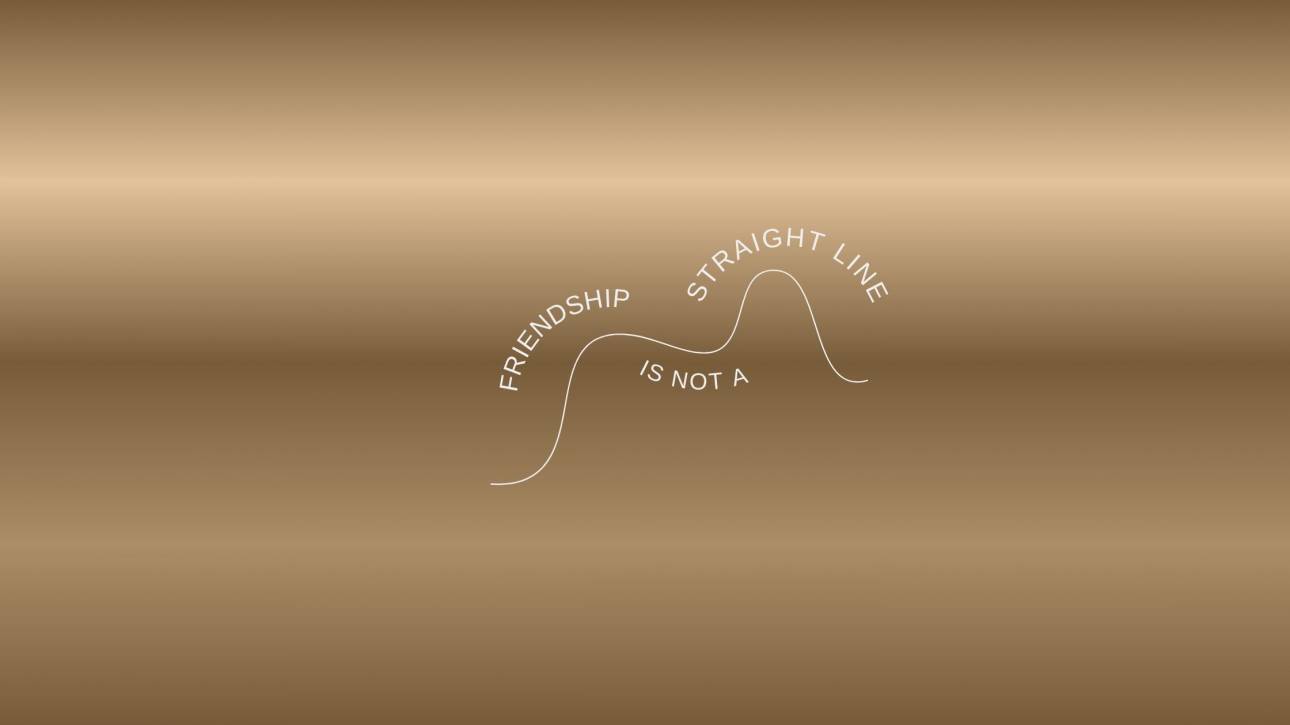
February is almost over, and as this month exploring self-friendship draws to a close, it’s important to remember that friendship is not a straight line. Like any relationship, your friendship with yourself will have good days and bad. Old habits will creep back in, setbacks will happen, and the perfectionist’s ‘all or nothing’ trap might…
The dialogue between your internal and external world can be exhausting. You might look confident and capable on the outside, but internally you’re drowning in self-doubt and criticism. This split is a constant battlefield – like living in a double bind. But here’s what changes when you improve your internal relationship: better self-trust leads to…
This year’s Eating Disorders Awareness Week theme is community and it couldn’t be more fitting. Eating disorders thrive in secrecy and isolation, both internally and externally. But community, in all its forms – professional support, trusted relationships, peer connection, and the relationship with yourself – can be transformative in recovery. As someone with personal experience…
Comparison can create a log jam in your relationship with yourself. Whether it’s scrolling social media, noticing someone’s success, or echoing childhood patterns of being measured against others, comparison shifts your focus outward and makes self-kindness nearly impossible. When you’re constantly measuring yourself against others, your self-worth becomes relative rather than intrinsic. This post explores…
Learning to understand the important role your body plays in mental wellbeing is one of the most valuable things you can do for yourself. Yet many people are disconnected from their bodies, stuck in anxious minds, overriding tiredness, or ignoring physical signals. Your body is constantly trying to help you, sending messages through sensations, emotions,…
Yesterday was Valentine’s Day – a day celebrating romantic love. Today, I’m inviting you to take yourself on a date. Because the most important relationship you’ll ever have is the one with yourself. Inspired by Julia Cameron’s ‘artist’s date,’ this is an invitation to treat yourself with the care and attention you deserve.
‘Should’ is one of the most damaging words in our vocabulary when it comes to self-friendship. The psychoanalyst Karen Horney called it “the tyranny of the shoulds”, keeping us split between our true and idealised selves. Shoulds disconnect us from the present, reinforce shame, kill self-compassion, and keep us stuck in relentless self-criticism. This post…
The words we use when we speak to ourselves aren’t simply passing thoughts – they shape how we feel, underpin our self-worth, and ultimately influence how we live our lives. Negative self-talk creates neural pathways that become our default routes. But neuroplasticity works both ways: you can create new, kinder pathways. It starts with noticing…
Perfectionists are often not good friends to themselves. From relentlessly high standards to being their own worst critic, perfectionism can sabotage the most important relationship you’ll ever have -the one with yourself. Here are five ways perfectionism works against you.
I’ve become a firm believer that the most important relationship you can have is the one with yourself. But so often, this relationship is a battleground rather than something we nurture and invest in. Most of us would never speak to others the way we do to ourselves—saving all the positive for others and all…