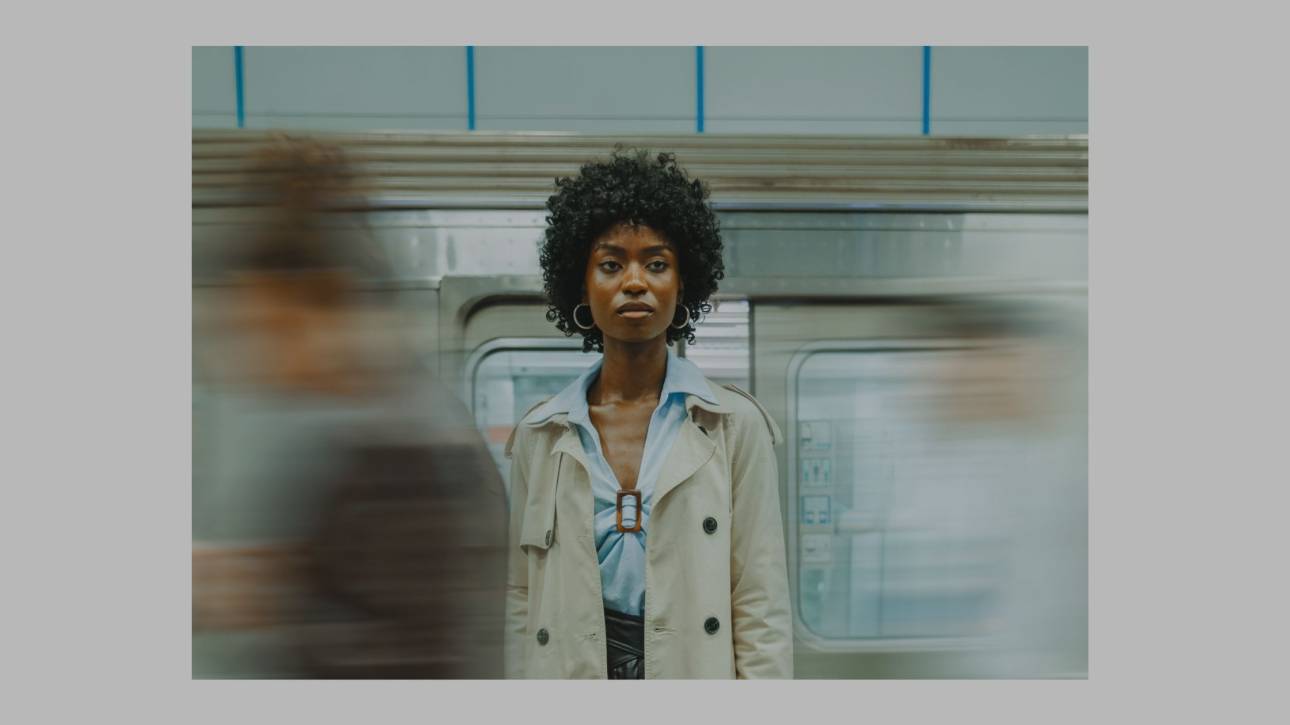
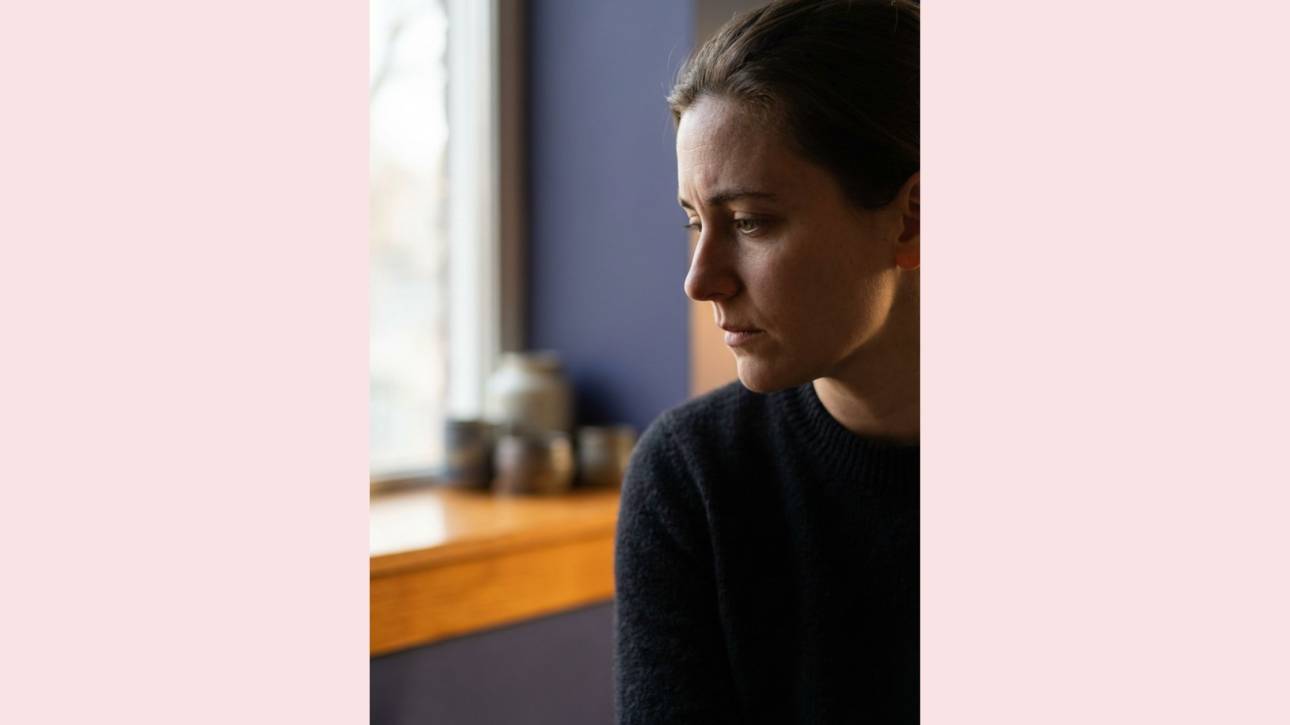
The fear of being judged is one of the most common issues I see in my counselling room, yet its impact is often overlooked. I look at what underpins it, why comparison is about far more than social media, and the physical toll it can take.
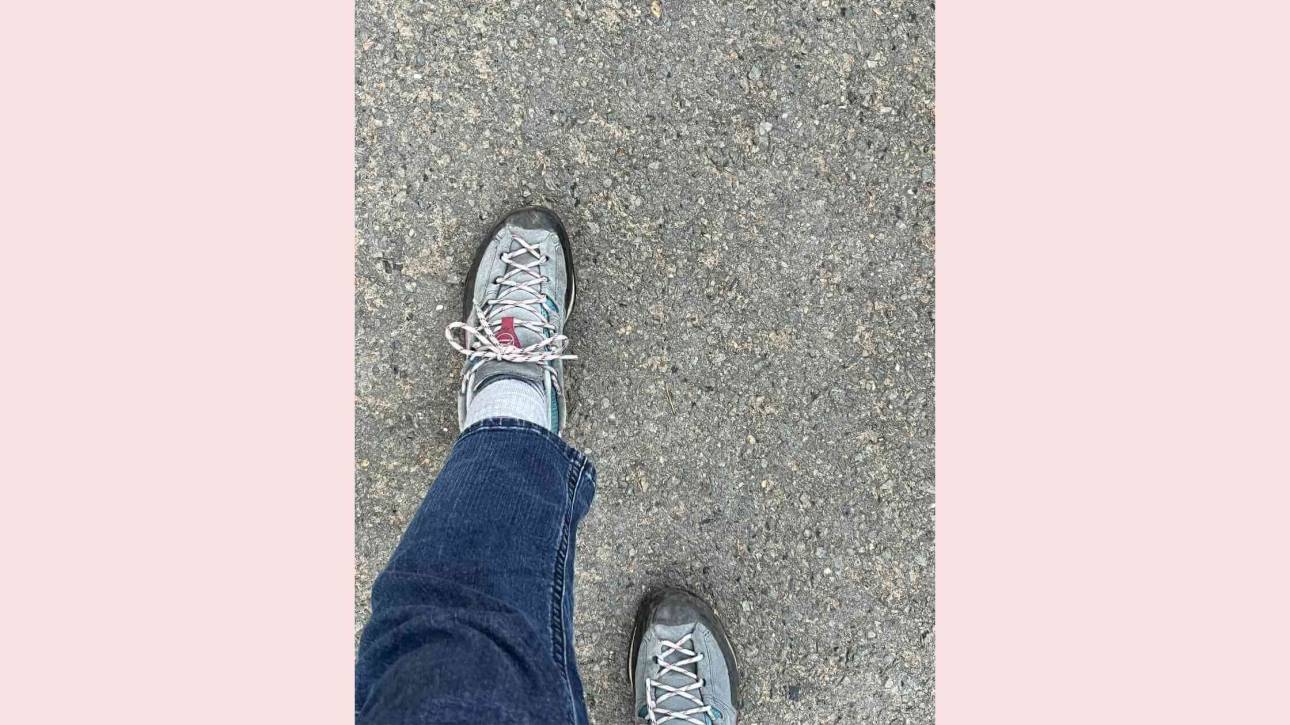
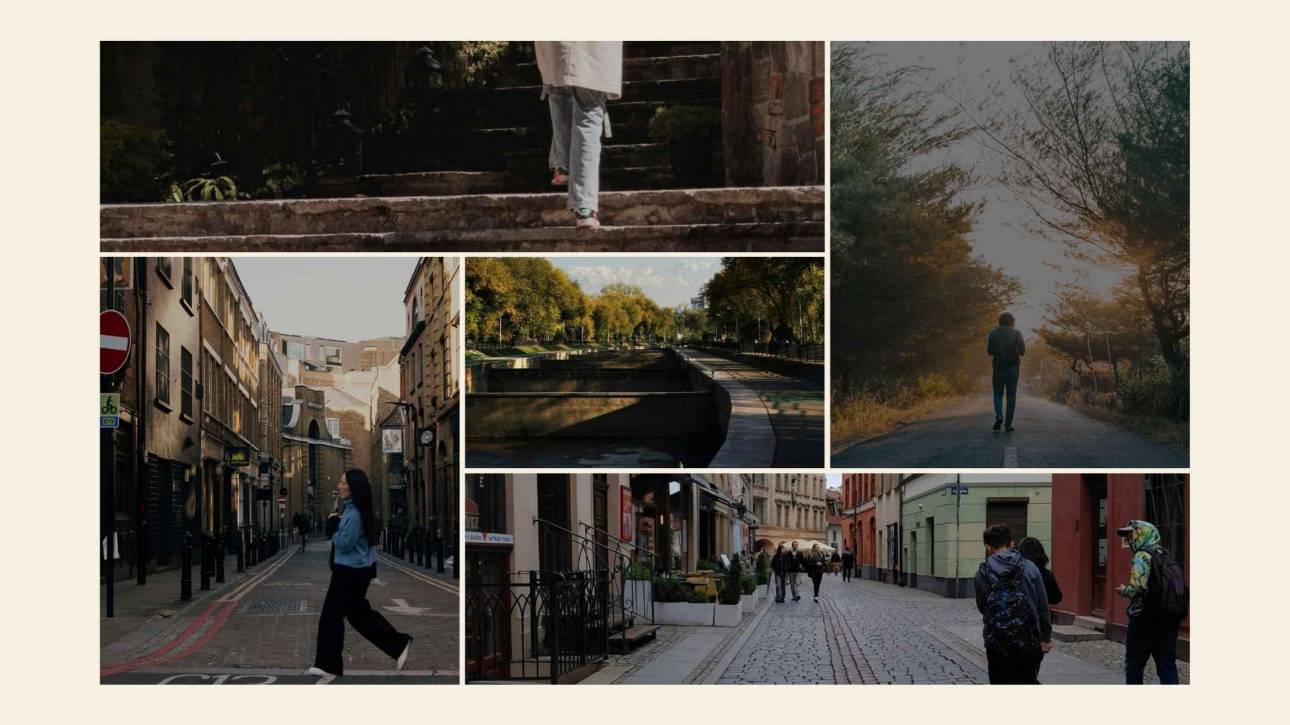
Creating a walking habit can be harder than it sounds. In this post I explore why sticking to the same regular route, rather than seeking out something new each time, can actually make it easier to keep going, drawing on nearly 20 years of my own morning walking practice.
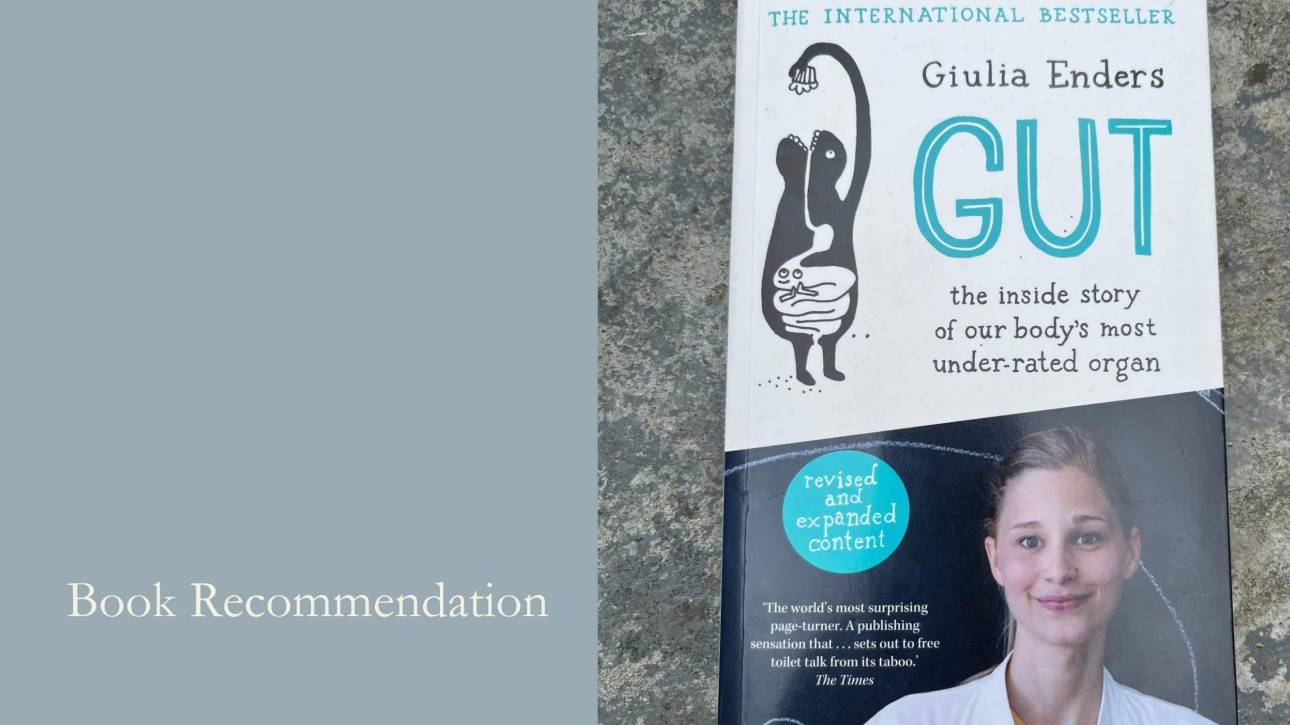
This month’s book recommendation is Gut by Giulia Enders, a book I first turned to during my own struggles with bloating back in 2020. I share why it remains a standout introduction to the gut-mind connection, and who I think would benefit from reading it.
Procrastination is often confused with wanting to get things right, but it’s actually the handbrake of perfectionism. I look at why it hides in plain sight, how it feeds anxiety, and the surprising logic that keeps so many of my clients stuck.
A follow-on from my earlier post on shapeshifting, this piece looks at what happens when the pattern has run for years and become second nature. I explore why the question ‘who am I?’ becomes genuinely hard to answer, and why ease and joy can feel just out of reach.
As the hours of daylight shrink, this is a good moment to look at what regular time outdoors can offer. Drawing on research and what I see with clients, plus a personal thread back to my own MSc dissertation, I explore why even twenty minutes outside can ease anxiety, sharpen focus and lift your mood,…
Imposter syndrome showcases the gap between your internal experience of yourself and the competent, capable person who shows up to work. But sometimes the label itself is a ready-made story, easy to reach for, that doesn’t hold up when you actually look at the evidence.
If this title resonates, you’ll know that visceral reaction of deliberately holding your answer back, even when you know it’s right. This post explores the two versions of biting your tongue, where the fear comes from, and the real cumulative cost of staying silent.
So often people try traditional, seated meditation, find it doesn’t suit them, and give up on the idea altogether. But not all meditation means sitting or lying still. This post introduces moving meditation, two kinds to try and why movement might be the entry point you’ve been missing.
Gaslighting has become a bit of a mainstream word, something people say without fully understanding it. This post goes behind the buzzword to explore what gaslighting actually is, how it exists on a spectrum, and why it’s often so hard to recognise from the inside.
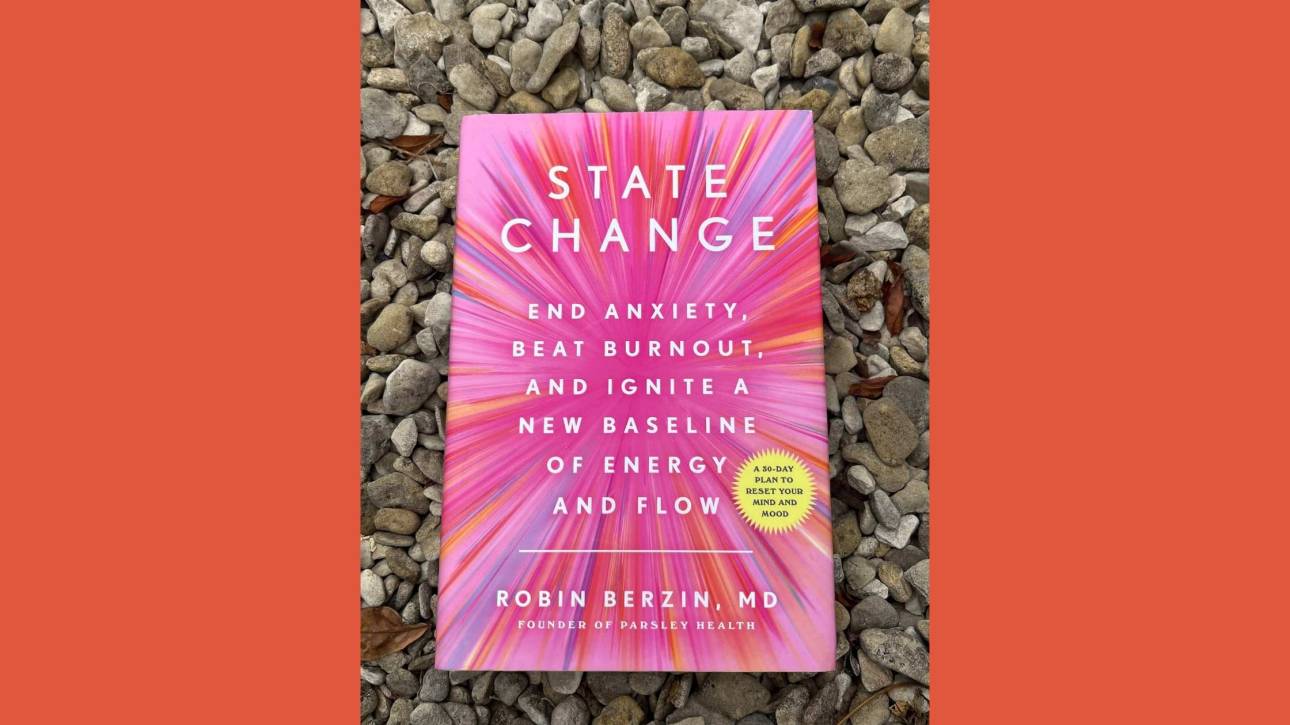
I honestly can’t remember exactly how I found this book, but it’s been on my list to recommend for a while. State Change was the first book that laid out many of the elements of holistic health I’d already been thinking about, and it feels timely now, with the summer days running down and so…
When your inner critic is a dominant force, eating patterns are often where it shows up most. This post is the latest in the eating series and looks at what the critic actually says, where its stories come from and how it drives the fears explored earlier in the series.