Do you go through life feeling like no one sees the real you? For many smart, capable people, feeling unseen is a daily reality — at work, at home, and in relationships. This post explores where that invisibility begins, why competence can make it worse, and how the journey back to yourself starts from within.
Therapy doesn’t have to be serious all of the time. In this post I explore the value of humour in counselling, from its roots in Freud and CBT to how it shows up in my own practice and why a little lightness can go a long way.
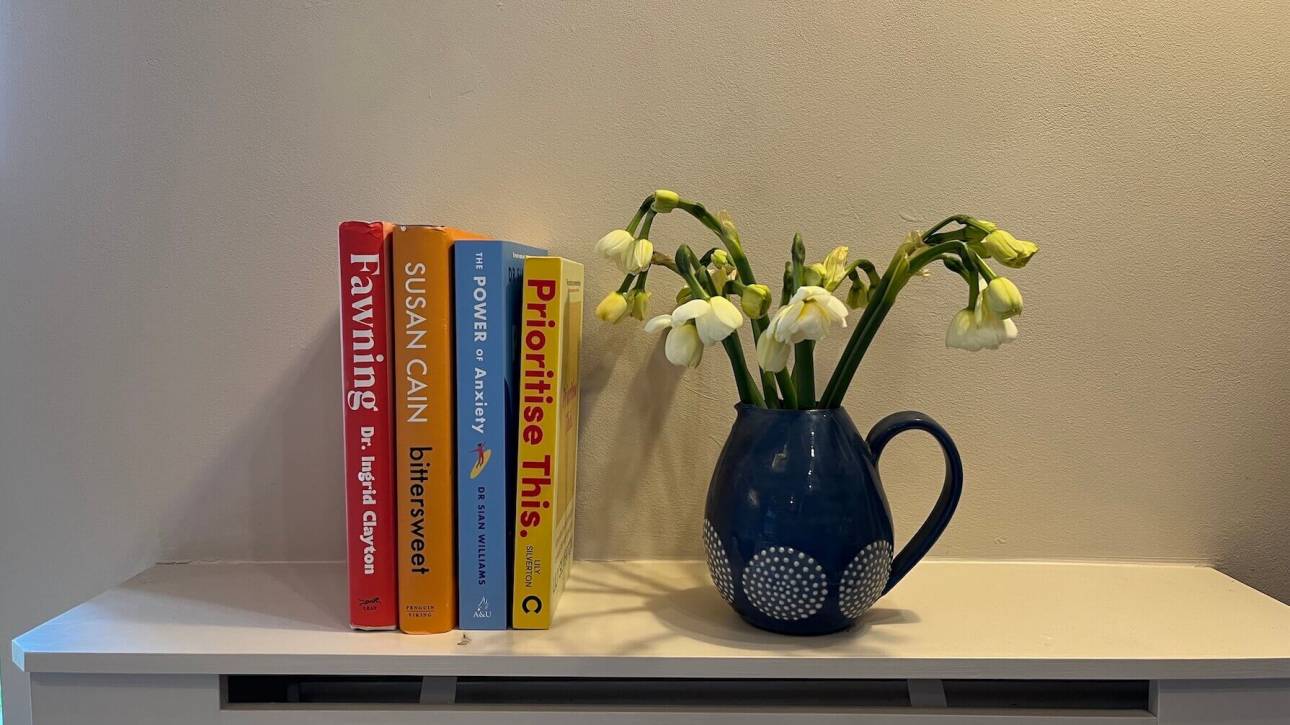
Books are a big part of how I think and learn about counselling, wellbeing and the human experience. Here’s what’s on my spring reading list — four books by female authors on fawning, anxiety, bittersweetness and wellbeing. Plus a preview of my book review series starting in April.
No two therapy journeys are the same. Some are brief and powerful; others unfold over years in different chapters. In this post I explore why that’s exactly as it should be and what really makes the difference when it comes to finding your own way.
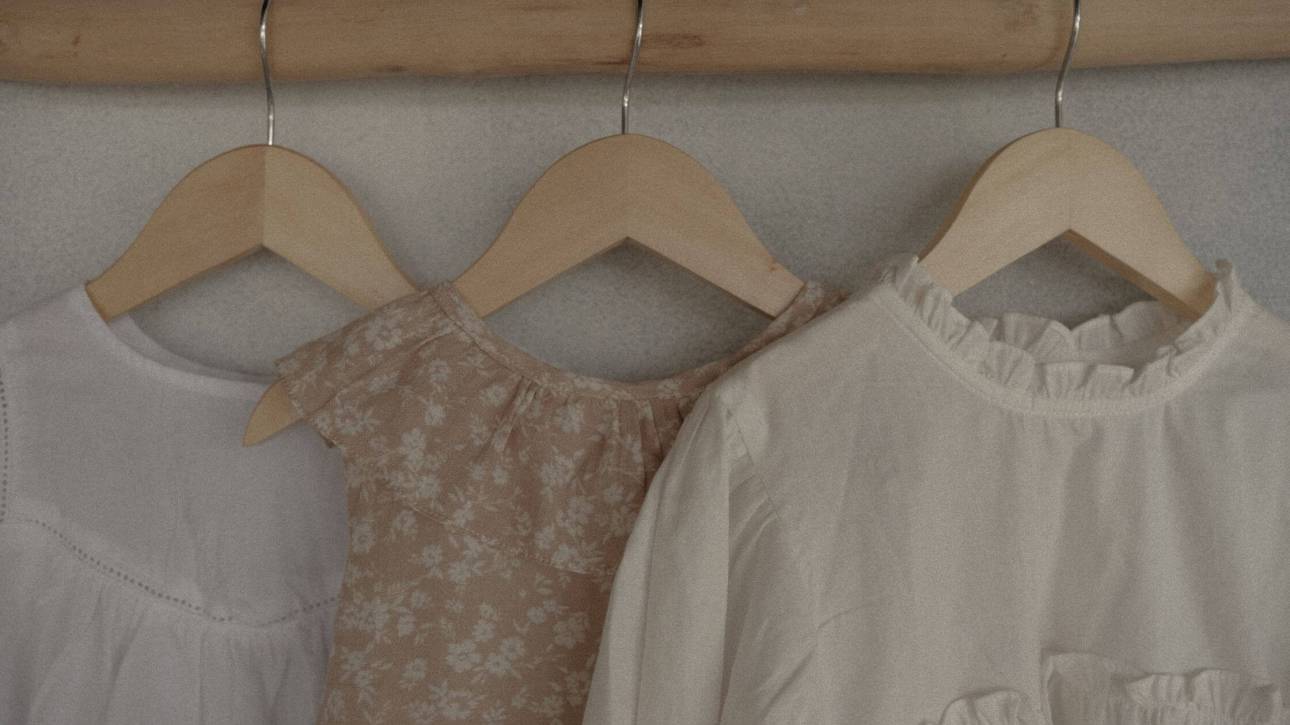
I worked in a clothing store for 15 months and learned an enormous amount about body image, self-esteem, and the impact clothes can have. When you’ve lost touch with yourself, your wardrobe becomes another source of stress. As spring arrives, here’s how to think about what you wear in a way that feels more like…
For many neurodivergent people, reaching a place of self-acceptance requires first working through the emotional weight that has built up along the way. Counsellor Karen Toms explores the patterns — masking, perfectionism and fawning — that so often sit beneath the surface.
Burnout is more subtle than most people realise. By the time you recognise it, you’ve often been there for a while. Here’s what to look out for, and why the people most at risk are often the last to see it.
Close to 66% of women over 50 in the UK have struggled with their mental health — and almost 90% hide it. If something in those numbers resonates, this post is for you.
Eating disorders and social media — it’s a complicated relationship, and one that’s increasingly hard to ignore. I recently caught up on a BEAT workshop exploring this evolving landscape, including the growing role of AI. Here are my key takeaways for anyone in recovery or supporting someone who is.
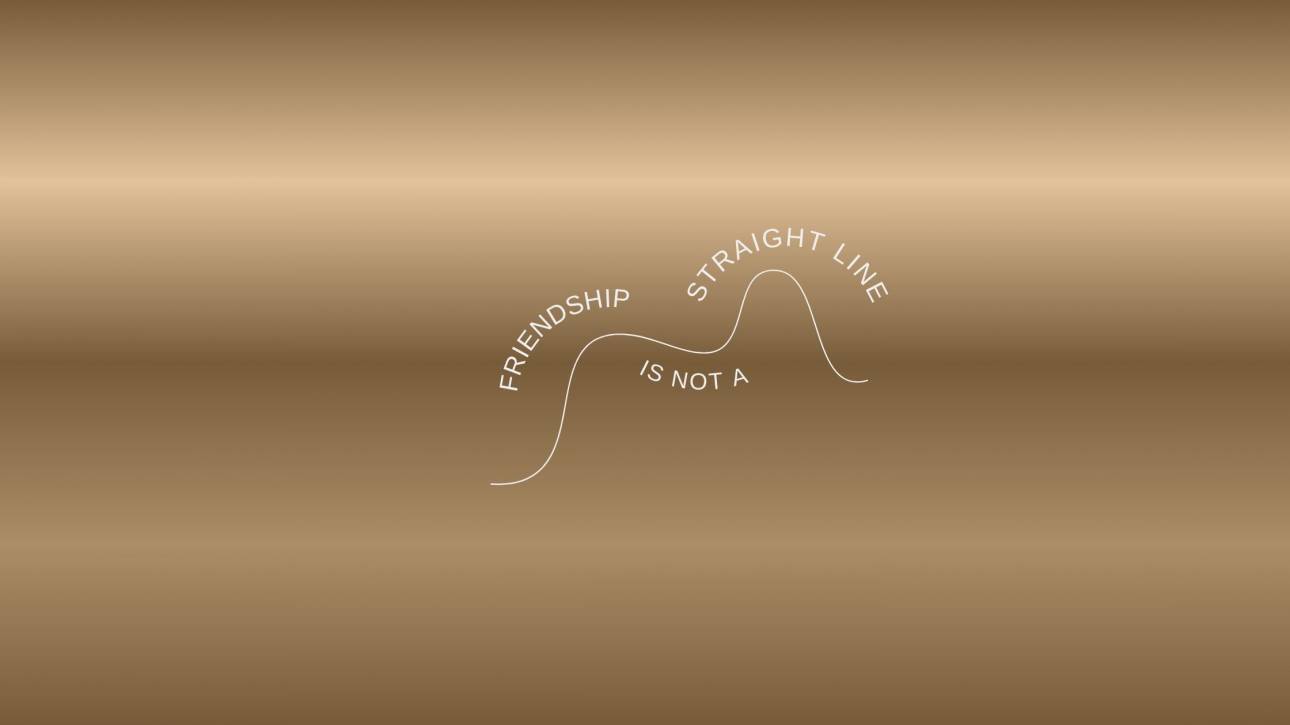
February is almost over, and as this month exploring self-friendship draws to a close, it’s important to remember that friendship is not a straight line. Like any relationship, your friendship with yourself will have good days and bad. Old habits will creep back in, setbacks will happen, and the perfectionist’s ‘all or nothing’ trap might…
The dialogue between your internal and external world can be exhausting. You might look confident and capable on the outside, but internally you’re drowning in self-doubt and criticism. This split is a constant battlefield – like living in a double bind. But here’s what changes when you improve your internal relationship: better self-trust leads to…
This year’s Eating Disorders Awareness Week theme is community and it couldn’t be more fitting. Eating disorders thrive in secrecy and isolation, both internally and externally. But community, in all its forms – professional support, trusted relationships, peer connection, and the relationship with yourself – can be transformative in recovery. As someone with personal experience…