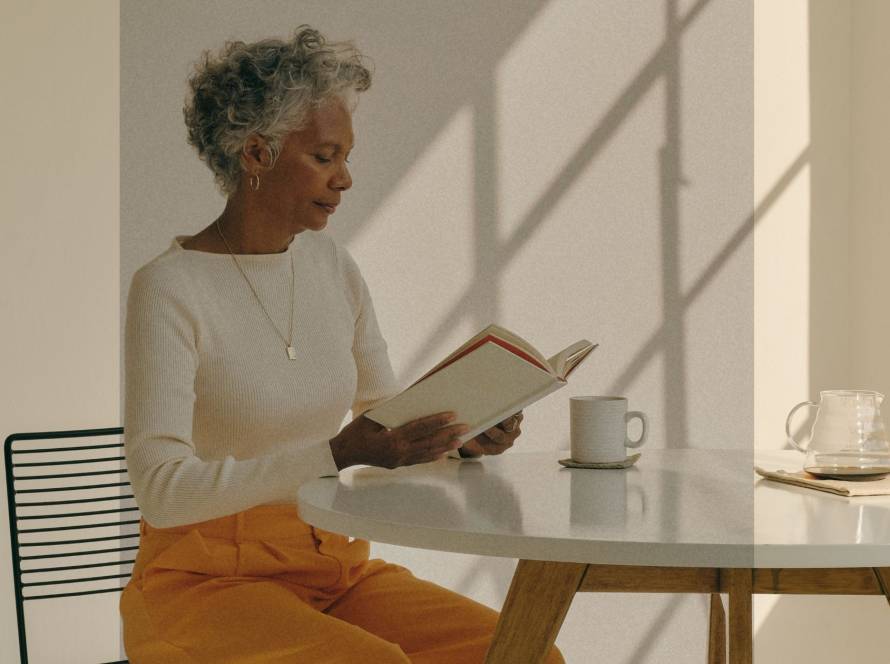
The start of a new year is often a time of reflection. People may have been carrying a desire to work on things that trouble them or to create changes for some time. While they may really want to act, it’s very normal to feel hesitation or uncertainty about doing so.
It’s very often the case that people wait months or years before reaching out to a counsellor.
What brings people to counselling
The issues that bring people to counselling are obviously highly individual, but there can be some common threads. They may feel stuck or overwhelmed and want support to be able to navigate a way forwards. Long-standing anxiety or self-doubt is also a frequent cause, which may be co-existing alongside physical health issues. Having a difficult relationship with food, their body or themselves are regular themes and may have create a web of self-control which is not serving them. Or it can be a desire to discuss past events and gain a better understanding of themselves.
What counselling actually offers
It’s usual that people know in advance that counselling provides a confidential, non-judgmental space for them to talk. But what often quickly surprises them is how valuable it is to have a place to speak that is their own.
In everyday relationships with family and friends, there is typically a two-way sharing of commentary and advice. In contrast, counselling provides an environment where you don’t have to worry about the two-way dialogue. Having that space solely for yourself can provide real benefits.
It can be very valuable to talk without fear of looking over your shoulder or censoring what you have experienced. And having the support of a counsellor who is trained to support you and help explore your thoughts and feelings can be a relief after years of carrying the burden alone.
What counselling is not
Counselling is typically not a quick fix. Single session therapy does exist, and one or two sessions can be valuable to work on a particular issue or current scenario, especially if someone has prior experience of counselling. But more often, multiple sessions, from a block of six up to long term work, are the norm.
Counselling is not only for people in crisis. It can also be valuable for all kinds of issues.
It’s not about having all the answers before you start, nor is it always serious the whole time. Counselling is a human relationship, one which can include a wide range of emotions including warmth, relief and sometimes laughter. It’s not necessarily about following a straight line and there can be backwards steps as well as forwards ones, especially in the early stages.
What change can look like
Change can vary, but small shifts are typically more common than dramatic transformations. Steady steps forward are usually more sustainable and therefore provide more lasting change.
Individuals gain more self-awareness and perspective on themselves and the issues and situations they’ve been dealing with. Making changes to reduce self-criticism and how they interact with the world around them can help build confidence and self-worth. This can lead to an increased ability to handle the rough with the smooth of life more capably.
When to start counselling is a personal decision. It can be helpful to feel like you are open to engaging with curiosity and to be aware it may take some time.
Counselling is not about having things worked out before you start. It’s about creating a space where understanding can develop over time.