I live in Cornwall where the winter solstice is marked by the Montol festival. Montol means ‘solstice’ or ‘turning point’ in Cornish and this festival celebrates the return of light. In certain places in the county, there are lantern parades where participants dress up and make merry as they journey through the streets.
This December, I’ve been more aware than usual of people yearning for the days to start getting longer again. I’ve reflected on whether the darkness we are witnessing through the media regarding conflict and events in different parts of the world together with economic uncertainty at home is making things feel heavier for people. When coupled with the pressures that come with the festive season, this can mean even a small glimmer of light on the horizon can metaphorically feel welcome.
Community and heritage
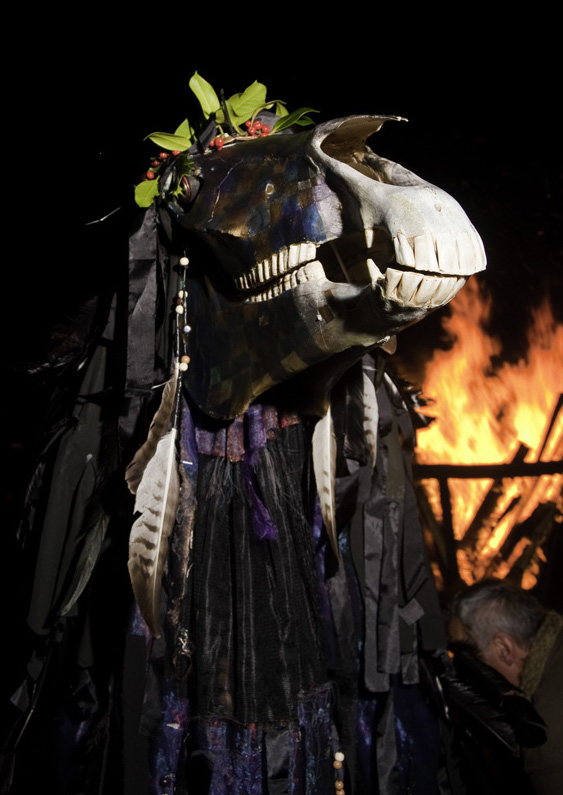
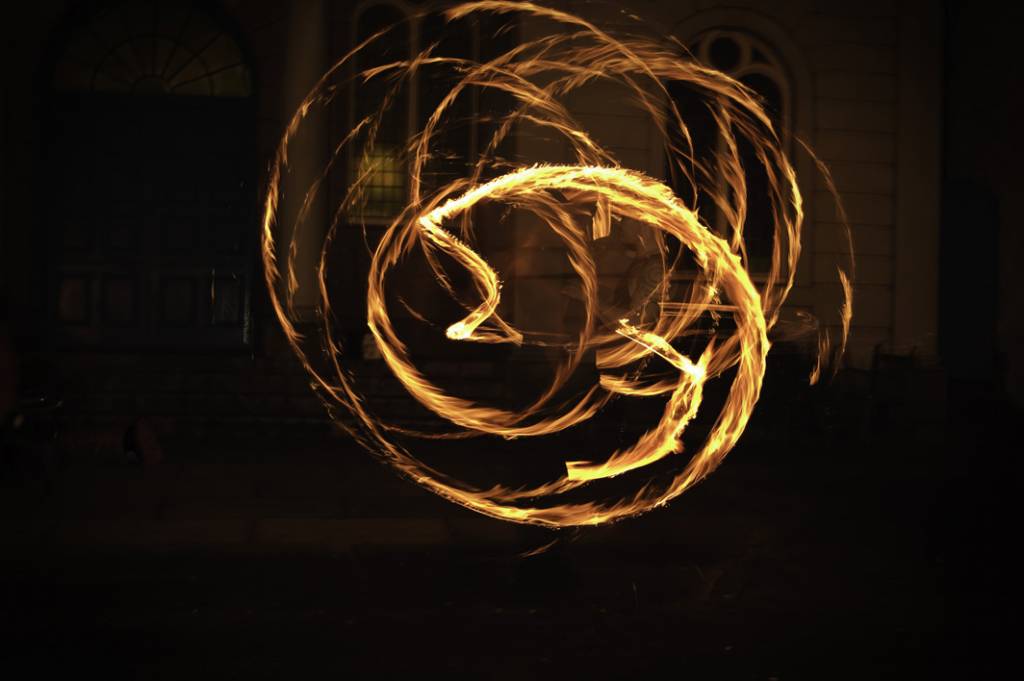
One thing I particularly like about Montol is that it shines a light on the local community. There’s a great atmosphere as people either take part in the procession or gather in the streets to watch. It brings together local residents and those visiting for the holidays to mark the shortest day. There’s also something joyous about watching lanterns and hearing music as it brightens the dark night.
Montol also provides a sense of heritage drawing on Celtic and pagan traditions. There’s something meaningful about knowing that generations before us were also out in the dark night together celebrating this moment in the year.
Marking a turning point
The sense of a turning point is, of course, a central aspect of the celebration. Not in the sense that everything suddenly becomes easier but in the more subtle knowledge that change is underway even if it is not yet clear how it will unfold. The days don’t immediately feel brighter after the solstice, but something has shifted nonetheless.
I’m also conscious that this solstice doesn’t ask us to rush out of the dark. It honours the longest night rather than denying it. Darkness can too often be seen as something negative, but there can be much to learn from it. There’s something supportive about allowing the darkness to be seen and named, rather than pushed away.
Perhaps part of what makes Montol so moving is not just the promise of returning light, but the way people gather to witness the darkness together. There’s something important about not having to face the longest night alone. There is much to be learned from how community life once was. There’s a sense of people supporting each other which can sometimes feel lost in modern society.
A moment to be present
The solstice offers an invitation to be present. To notice our connection to nature and the passing seasons. It offers us the chance to acknowledge that darkness can be held, named and shared, and that in that sharing, something can shift. Not necessarily towards certainty or resolution, but towards connection.